
Voltas 4V (DC) Cumas ceallraí 1.5Ah/2.0Ah Cineál mótair ...
See Details-
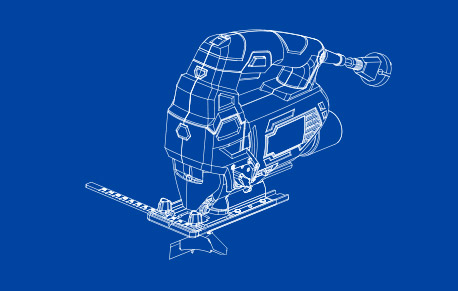
Sábha Leictreach Adhmadóireachta
-
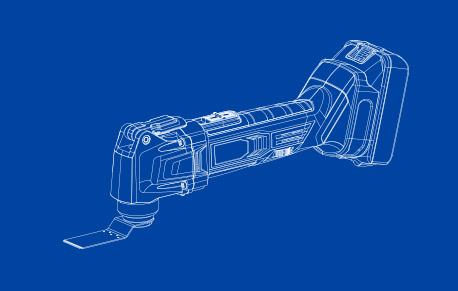
Saw ascalach ilfheidhmeach
-
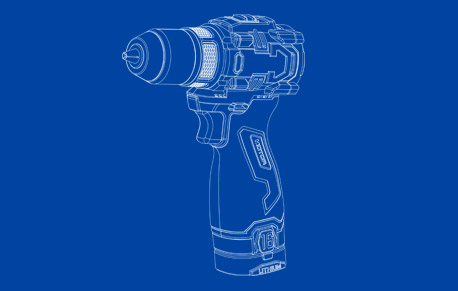
Druileáil Cumhachta
-
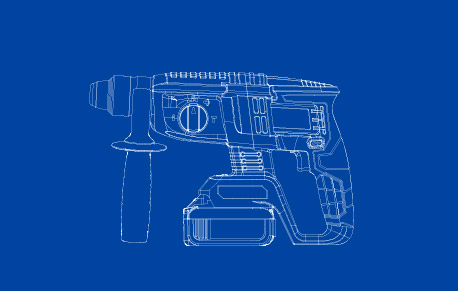
Druileáil Casúr Rothlach
-
Slat Tionchair
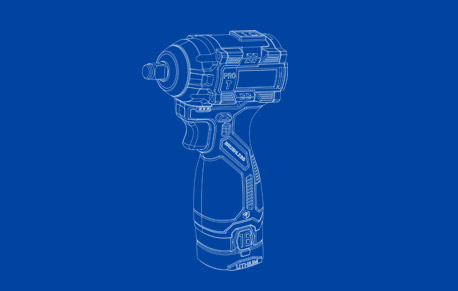
-
Tiománaí scriú leictreacha
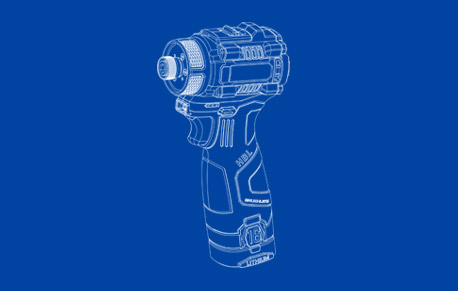
-
Grinder Uillinn
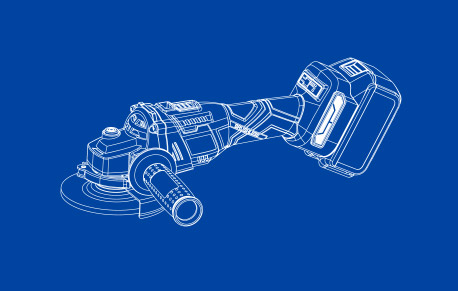
-
Washer Brú Boise
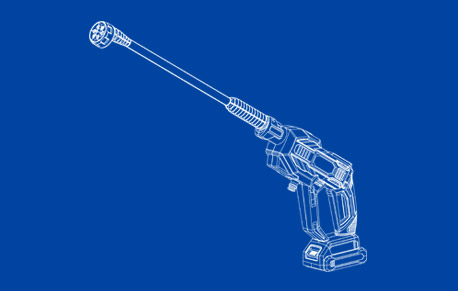
-
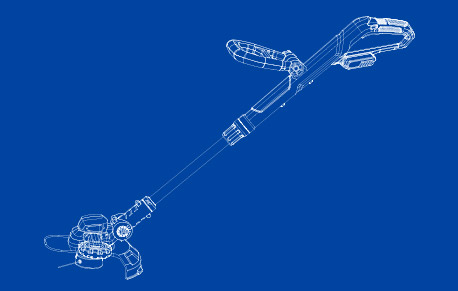
Gearrthóir Faiche Boise
-
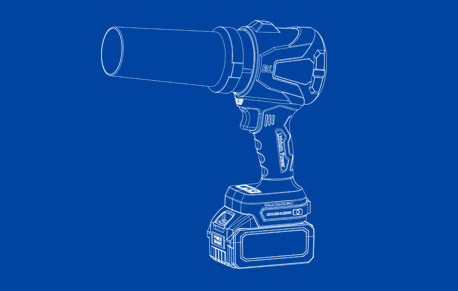
Séidire Scaird Turbo Litiam
-
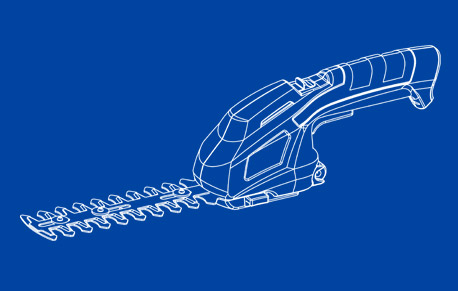
Deimhis bearradh Leictreach
-
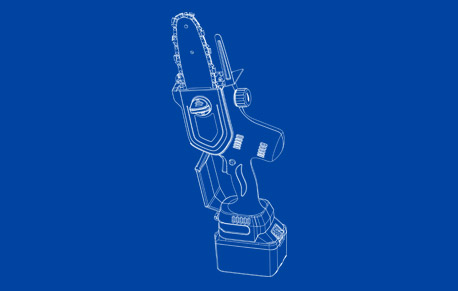
Slabhra Slabhra Litiam
-
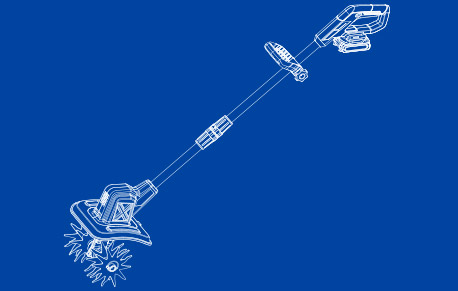
Saothróir Tiller Boise
-
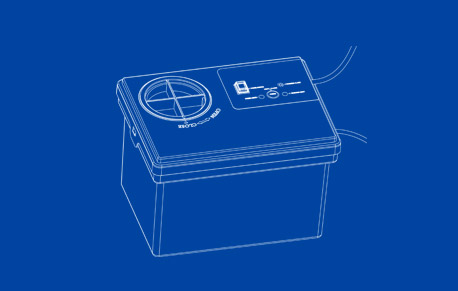
Gléasanna Uiscithe Plandaí
-
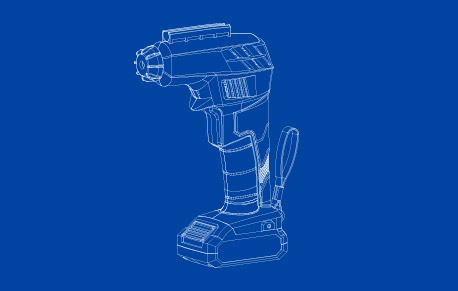
Caidéal Aeir

Author: Admin Date: 2026-06-22
Cad iad na comhbhabhtálacha feidhmíochta idir Scriúire Leictreach ard-chasmhóiminte agus Scriúire Leictreach ardluais?
An croí-chomhbhabhtáil feidhmíochta idir chasmhóiminte ard Tiománaí scriú leictreacha agus tá Scriúire Leictreach ardluais simplí: Tugann samhlacha ard-chasmhóiminte tús áite don fhórsa tiomána agus do threá ábhar, agus tugann samhlacha ardluais tosaíocht d'éifeachtúlacht cheangail agus d'am timthriall . Braitheann roghnú eatarthu go hiomlán ar cibé an láimhseáil friotaíochta struchtúrach nó luas táirgthe é do thosaíocht. I dtéarmaí praiticiúla, tá uirlisí atá dírithe ar chasmhóiminte an-oiriúnach le haghaidh ábhar dlúth agus dúntóirí móra, agus is fearr le huirlisí atá dírithe ar luas i línte cóimeála agus i dtascanna éadroma athchleachtacha.
Mínítear Difríocht na Croífheidhmíochta
Déantar scriúire leictreach ard-chasmhóiminte a innealtóireacht chun an fórsa rothlach uasta a sheachadadh, a sháraíonn go minic 10–30 N·m in uirlisí de ghrád gairmiúla. I gcodarsnacht leis sin, is féidir le Scriúire Leictreach ardluais teacht ar luasanna rothlacha thuas 1500–2500 RPM , ag tabhairt tosaíochta do chur isteach scriú tapa seachas láimhseáil friotaíochta.
Saintréithe deartha atá dírithe ar chasmhóimint
- Laghdú fearas níos airde le haghaidh aschur fórsa méadaithe
- Luas rothlach níos ísle le haghaidh tiomána rialaithe
- Oiriúnach do cheangail dlúth adhmaid, miotail agus tionsclaíoch
Saintréithe dearadh atá dírithe ar luas
- Mótar RPM ard optamaithe le haghaidh cheangail tapa
- Aschur chasmhóiminte níos ísle le haghaidh feidhmchláir éadroma
- Is fearr le haghaidh leictreonaic agus tascanna cóimeála athchleachtach
Torc vs Luas: Comhbhabhtáil Innealtóireachta
Tá an gaol idir chasmhóiminte agus luas i scriúire leictreach ríomhaire boise á rialú ag fisic mhótair: is gnách go laghdaítear an chasmhóimint mhéadaithe RPM uasta de bharr teorainneacha dáileadh cumhachta. Ciallaíonn sé seo go gcaithfidh monaróirí éifeachtúlacht, giniúint teasa agus marthanacht a chothromú.
In úsáid phraiticiúil, féadfaidh múnla ard-chasmhóiminte ionsá scriú adhmaid 50 mm a chomhlánú 2.5–3.5 soicind , cé go bhféadfaidh múnla ardluais scriúnna níos lú 20 mm a chomhlánú i bhfo 1.2 soicind ach streachailt le hábhair dlúth.
- Laghdaíonn an chasmhóimint níos airde an baol stopála ach méadaítear tomhaltas fuinnimh
- Feabhsaíonn luas níos airde táirgiúlacht ach méadaíonn sé caitheamh faoi ualach
- Tá tógáil teirmeach níos coitianta i gcórais bharrfheabhsaithe luais
Cásanna Feidhmchláir agus Cásanna Úsáide Fíor-Dhomhanda
Braitheann an roghnú idir samhlacha ard-chasmhóiminte agus ardluais Scriúire Leictreach go mór ar chomhthéacs oibriúcháin. Mar shampla, is fearr le tógáil thionsclaíoch uirlisí chasmhóiminte, agus tugann déantúsaíocht leictreonaic tosaíocht do luas.
- Feidhmchláir ard-chasmhóiminte: deicáil, cóimeáil troscáin, ceangal feithicleach
- Feidhmchláir ardluais: Cóimeáil PCB, déantúsaíocht fearas, línte cóimeála saothair éadroim
- Riachtanais hibrideach: timpeallachtaí táirgthe measctha a éilíonn luas agus fórsa araon
Is minic gur fearr le scriúire leictreach in-athluchtaithe i suíomhanna poist soghluaiste, agus is féidir córas corda a úsáid i dtimpeallachtaí táirgthe leanúnacha ina bhfuil aga fónaimh ríthábhachtach.
Cúrsaí Ceallraí, Mótair agus Éifeachtúlachta
Braitheann córais scriúire boise leictreacha nua-aimseartha ar phacáistí ceallraí litiam-ian a raon ó ghnáth 12V go 20V . Déanann córais ard-chasmhóiminte cadhnraí a dhraenáil níos tapúla mar gheall ar ualach friotaíochta, agus déanann córais ardluais an éifeachtúlacht fuinnimh a bharrfheabhsú trí thimthriallta rannpháirtíochta níos giorra.
Fachtóirí comparáide éifeachtúlachta
- Laghdaíonn saol ceallraí 15-25% níos tapúla in oibríocht ard-chasmhóiminte
- Laghdaíonn uirlisí ardluais tomhaltas fuinnimh in aghaidh an taisc
- Feabhsaíonn mótair gan scuab cothromaíocht chasmhóiminte agus éifeachtúlachta luais araon
Is féidir le scriúire leictreacha in-athluchtaithe le bainistíocht cumhachta cliste an t-aschur a choigeartú go dinimiciúil, ag nascadh go páirteach leis an mbearna idir chasmhóiminte agus feidhmíocht luas.
Eirgeanamaíocht agus Tuirse Úsáideoirí
Tá ról mór ag eirgeanamaíocht i dtáirgiúlacht fhadtéarmach. Is minic a ghineann uirlisí Scriúire Leictreach Ard-chasmhóiminte níos mó creathadh faoi ualach, agus d'fhéadfadh go mbeadh brú greim níos lú marthanach ag teastáil ó mhúnlaí ardluais mar gheall ar thimthriallta oibríochta níos giorra.
- Féadfaidh uirlisí ard-chasmhóiminte a mheá 10-20% níos mó mar gheall ar ghiaráil threisithe
- Laghdaíonn uirlisí ardluais brú caol na láimhe i dtascanna athchleachtacha
- Feabhsaíonn dearaí scriúire leictreacha ríomhaire boise cruinneas ach laghdaíonn siad an ghiaráil
Tábla Cinnidh chun an Uirlis Ceart a Roghnú
| Fachtóir | Scriúire Leictreach Ard-chasmhóiminte | Scriúire Leictreach Ardluais |
|---|---|---|
| Neart Bunscoile | Fórsa & treá | Luas & éifeachtúlacht |
| Úsáid is Fearr | Comhthionól tromshaothair | Obair éadrom athchleachtach |
| Tionchar Battery | Tomhaltas níos airde | Tomhaltas níos ísle |
| Tuirse Úsáideora | Measartha go hard | Íseal go measartha |
Leideanna Optamaithe le haghaidh Úsáid Hibrideach
I dtimpeallachtaí táirgthe nua-aimseartha, comhcheanglaíonn go leor daoine gairmiúla cumais chasmhóiminte agus luas araon ag baint úsáide as sreabhadh oibre oiriúnaitheach. Is féidir le scriúire leictreacha in-athluchtaithe le socruithe inchoigeartaithe an gá atá le huirlisí iolracha a laghdú.
- Bain úsáid as modh ardluais le haghaidh cheangail tosaigh agus ard-chasmhóiminte le haghaidh géarú deiridh
- Athraigh socruithe chasmhóiminte bunaithe ar dhlús ábhar
- Calabrú uirlisí a chothabháil chun aschur comhsheasmhach a chinntiú
Is é an Scriúire Leictreach is fearr feidhmíochta an ceann a ailíníonn go beacht le cineál ualach oibre, friotaíocht ábhair, agus riachtanais luas táirgthe.

-
Aiseolas
Táirgí Gaolmhara
-
-
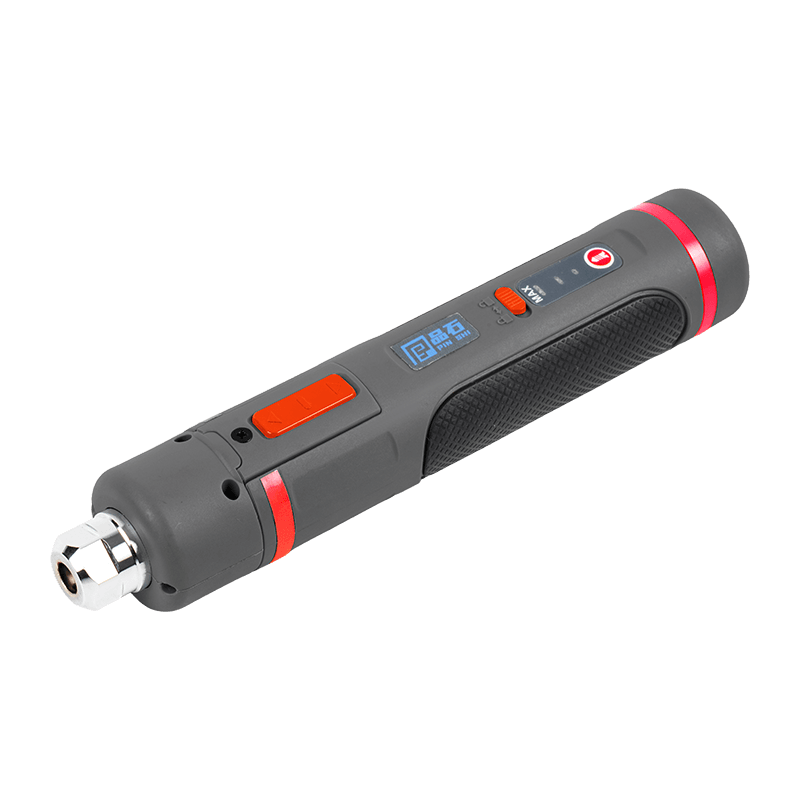
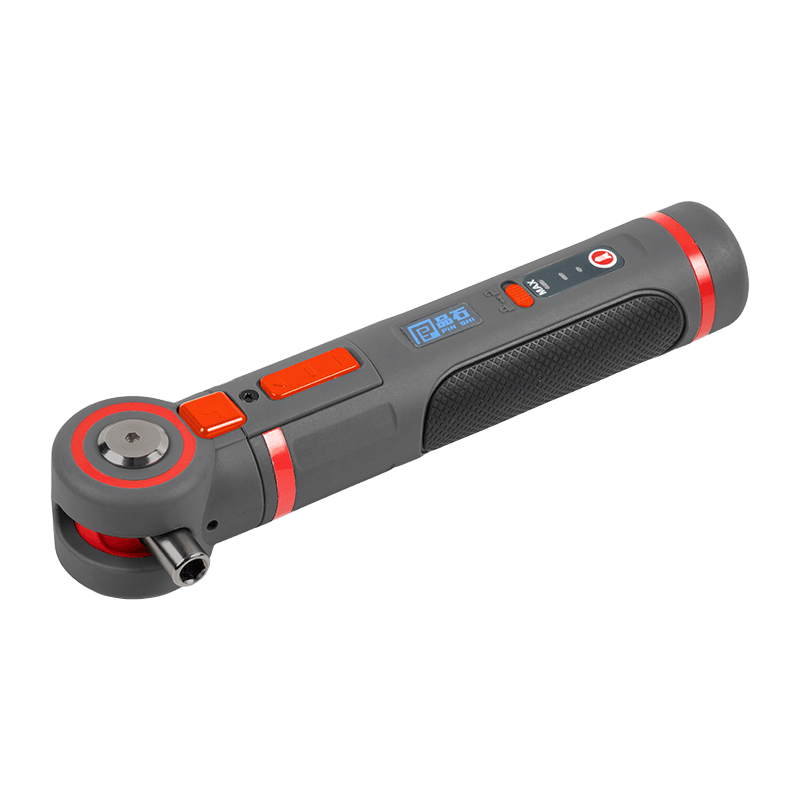
Voltas 4V (DC) Cumas ceallraí 1.5Ah/2.0Ah Cineál mótair ...
See Details -
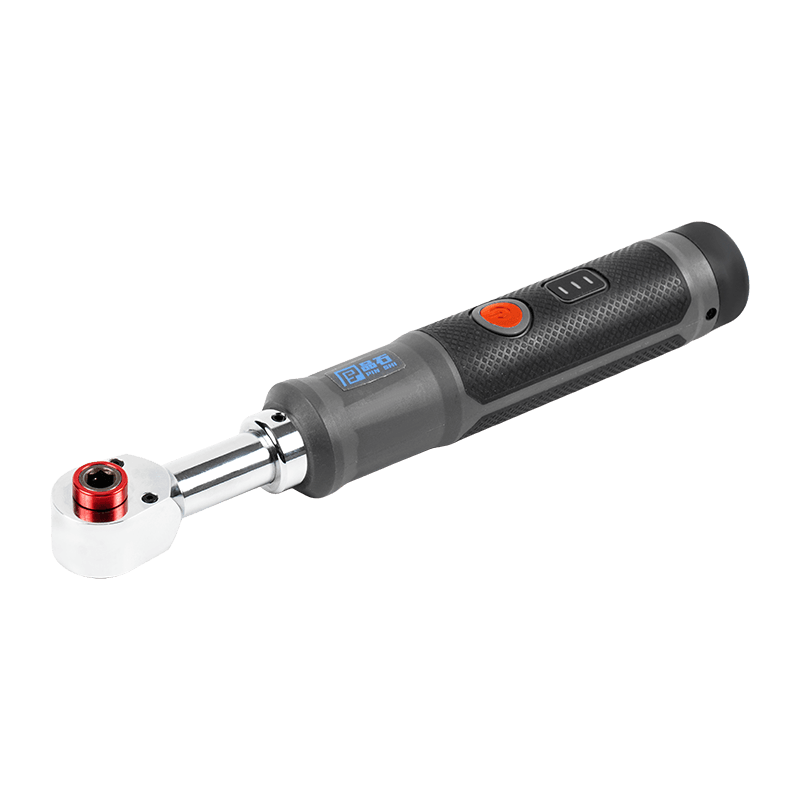
Voltas 4V (DC) Cumas ceallraí 1.5Ah/2.0Ah Cineál mótair ...
See Details -
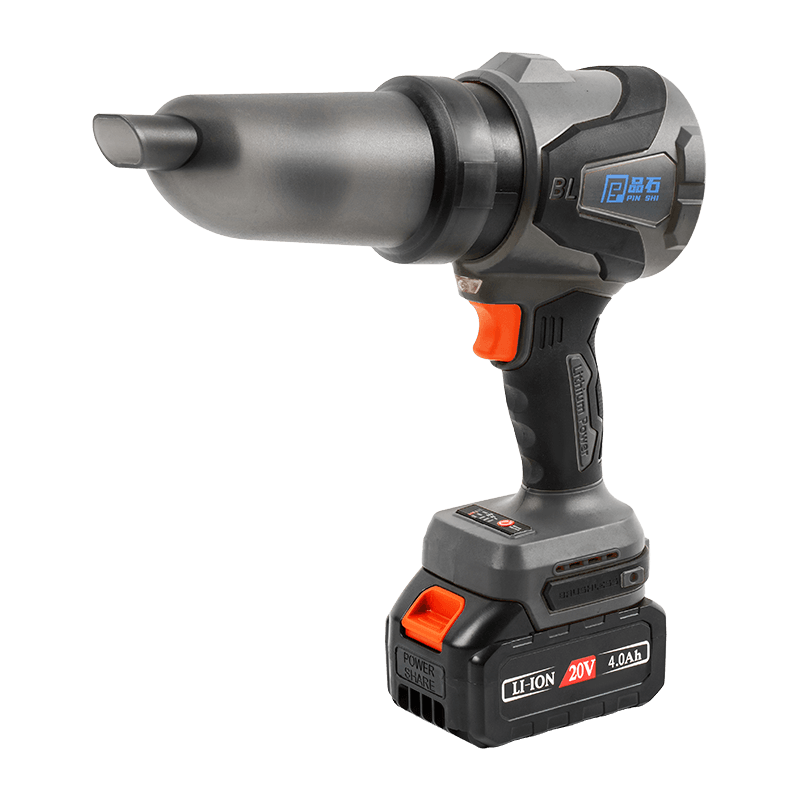
Voltas 20V (DC) Cumas ceallraí 3.0Ah/4.0Ah Cineál mótair ...
See Details -
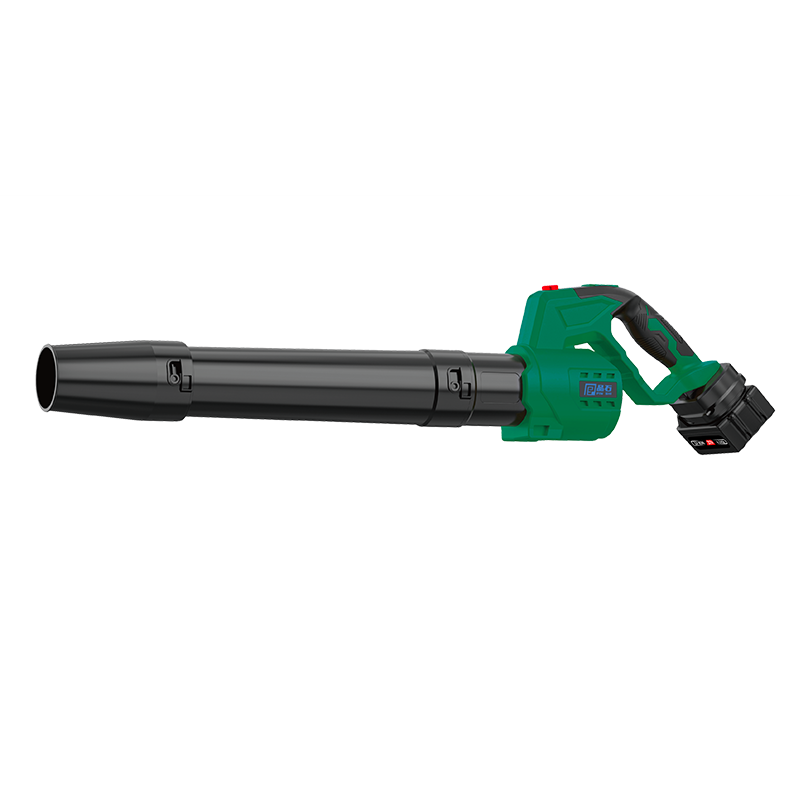
Voltas rátáilte 20V (DC) Cumas ceallraí 3.0Ah/4.0Ah Cineál mótair ...
See Details -
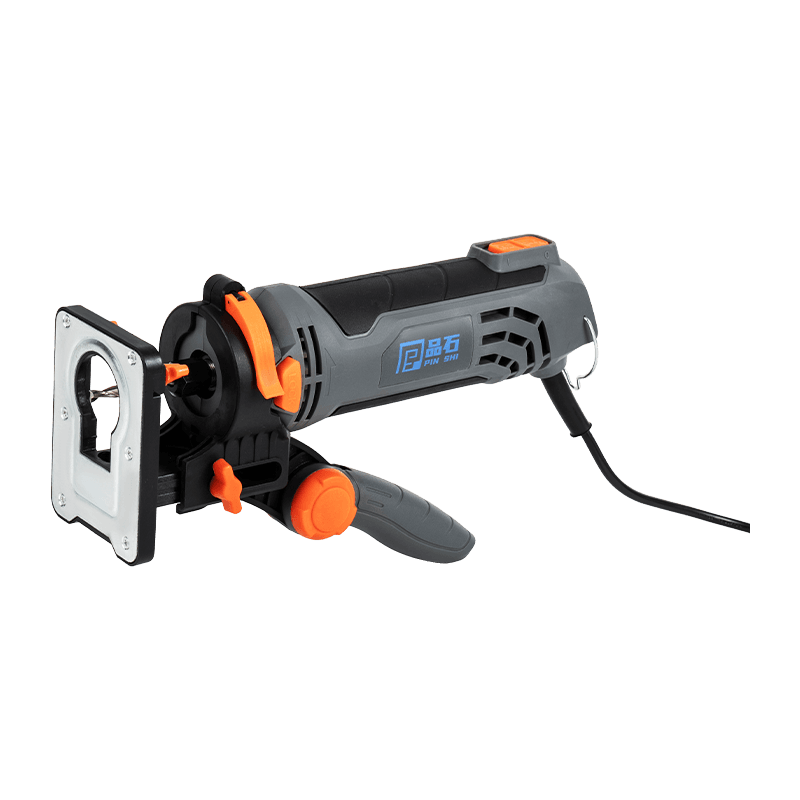
Tús réidh Luas tairiseach Voltas ionchuir(V) 230V/120V Minicíocht príomhlío...
See Details
Nuacht Gaolmhar
-
I dtírdhreach na tógála, na deisiúcháin feithicleach, agus an chomhthionóil thionsclaíoch atá ag forbairt go tapa, tá uirlis amháin tar éis seasamh...
READ MORE -
Cad Go díreach atá i Scriúire Leictreach Sa lá atá inniu ann? An bhrí aistrithe "scriúire leictreach" in éiceachórais uirlisí nua-aimseartha ...
READ MORE -
Slat Tionchair: Sainmhíniú agus Croíphrionsabal Oibre Tá an Slat Tionchair , dá ngairtear go minic i gciorcail thionsclaíocha mar ghunna ...
READ MORE
-
NASC
-
táirge
-
Teagmháil Thapa
-
 Building 1, Floor 1, Industrial Zone, Zhongyi Village, Guolin Town, Haishu District, Ningbo City, Zhejiang Province, China
 -
 +86-13906619096
 -
 Michael@chinashimu.com
-
COINNIGH I dTEAGMHÁIL
Cóipcheart© Ningbo Pinshi Electromechanical Co., LTD.
